Success stories
4 Things To Remember When You Choose Not To Disclose Your Child’s Autism Diagnosis
-
 |
-
 6 Min read

Share


“My 2.5 year old nephew’s class teacher informed my sister in law he might have autism. She is devastated and is desperate for a diagnosis for the child. Can you recommend somebody trustworthy?” Said my friend.
“Yes, I’ll recommend somebody. But can your sister in law meet me?
I’ll explain that autism is a gift, not a diagnosis to be shied away from.”
Thank fully, I only ‘thought’ this thought and didn’t voice it.
I would have kicked myself, had I said it.
Today, after 25 years I can say autism is a gift. But how did I feel when Mohit was being diagnosed?
I wanted it to be a false alarm. I hated the word ‘autism’ and wished it did not exist.
And yes, for many years, I didn’t share the diagnosis with anybody except my immediate family.
A couple of deep conversations this past week, recreated the familiar, discomforting feeling.
Conversation 1
I met with 2 members from the same family. Both have kids on the Spectrum. One disclosed her son is autistic. The other didn’t.
The one who didn’t disclose it, felt it was a wise decision.
Her argument? The label of autism carries a stigma which acts as a deterrent to development. Opportunities get limited once people realize a child is autistic.
Schools and teachers are averse to admitting students on the autism spectrum. Expectations drop to zero levels. Many educators feel the child is incapable and hence don’t challenge the child to learn further.
In case of disclosure, each and every behavior of the child is met with, “Oh, he’s autistic, that’s why he behaves the way he does.”
With non disclosure, the response to the same behavior is, “Oh, he’s just having a rough day. Just one of those days.”
“Why would I disclose my child has autism, if he’s going to be treated differently? Imagine what that would do to him. “ Said the mother.
I got it. I nodded in understanding.
Conversation 2
The next day I met a mother of a 16 year old on the Spectrum.
She hadn’t disclosed her child’s diagnosis at all. Not to her school, not to relatives.
She voiced issues the young girl was experiencing, viz. anxiety, depression, not wanting to go to school.
Again, the mother felt a diagnosis would have limited her daughter. She would not have got the chances she did, had she shared the diagnosis.
I pointed out her teenager needed help with the anxiety and depression issues, which could be an offshoot of the autism.
Disclosing the diagnosis would open up treatment doors for her.
After all, autism isn’t a death sentence or a bad thing.
“That’s what you think, Kamini. But what about the wagging tongues out there.”
“And it will ruin the chances of marriage. Who will marry somebody with an autism label?”
I tried to understand.
But I had to stop my mind from running into thoughts about a beautiful autistic woman being married off to somebody who had no clue about her autism. That would be a sure shot recipe for disaster.
Dear Parent, do you accept your child just as s/he is?
You don’t have to answer immediately.
But think about it.
Do you equate ‘different’ with ‘less’?
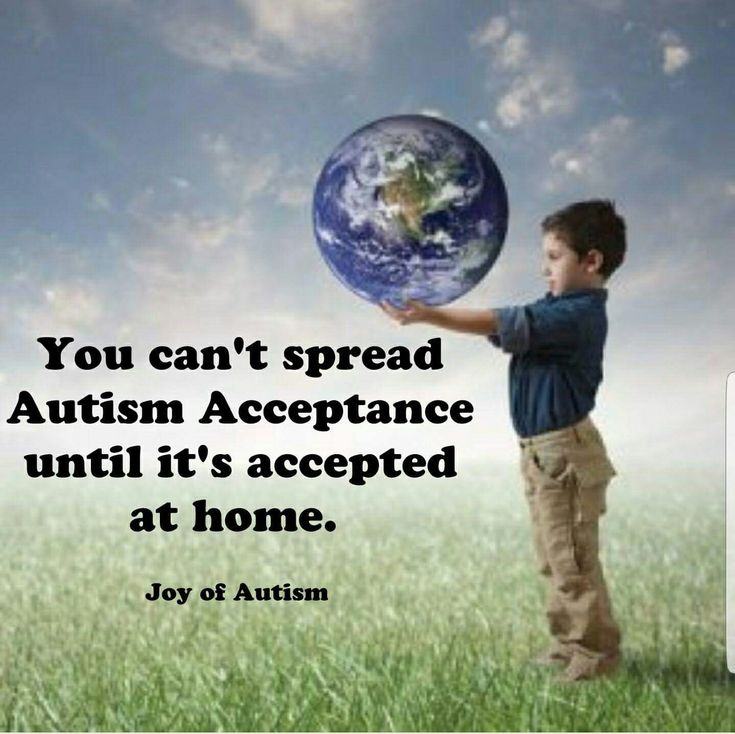
It starts with acceptance in your mind first. It starts with acceptance in your home.
Once you sort that issue, think about the following points.
Disclosing opens up the way for services
Research shows that autism is often accompanied by other co morbidities, such as anxiety and depression, especially as the child grows older.
Your child is entitled to the best services available.
Unless the core deficits of autism are addressed, how will your child have a good quality life?
Keeping a diagnosis under wraps, will come in the way of receiving full fledged services.
I had a conversation with an oncologist a few years ago. She stated they always encouraged their patients to disclose their cancer diagnosis. It’s important for getting the right help and support.
Why should it be different for autism?

Autism doesn’t ‘go away.’
I had this misconception when Mohit was diagnosed. This was 25 years ago.
We lived in South Korea at that time. For several years I did not disclose his diagnosis. I was confident he would outgrow it.
I thought I’d work my head off, get language and skills in place and Mohit would become indistinguishable from his peers.
I was so wrong and naïve. Autism doesn’t go away.
It’s a way of being.
Your child, and mine, is autistic and will be autistic.
That’s the way his brain is wired.
We have to respect this beautiful person in front of us.
It’s about you and your child.
It’s not about your child and the rest of the world.
Disclosure will spell relief for your child
Many people on the spectrum talk about how they always felt different and the autism diagnosis actually made them feel relieved.
I met a family a year ago. The young man was around 25.
He just couldn’t hold down a job.
When he was diagnosed, he and his parents were relieved.
The parents were relieved he wasn’t deliberately messing up
He was relieved as finally there was a name to describe what he had felt his entire life.
If you think your child will react adversely, think again.
We want society to change, to accept our children.
But change begins with us.
We want schools to be more accepting.
But we have to be forthright and expect respectful treatment for our children.
Autism is a neurodiversity.
It’s our responsibility to educate the world.









Social Stigma
You worry about how the world will perceive your child, isn’t it?
Remember one thing, most of what we worry about doesn’t come to pass.
I interact with people of all ages. The other day, I found myself explaining autism to a grand mother.
She had a niece with Down’s Syndrome. She equated autism with Down’s and Intellectual Disability.
So I spent a few minutes talking about what exactly autism was. At the end of it she was grateful for the clarification.
Remember, people may want to understand, they just don’t know how to voice it.
Many from Gen Next get it.
When my young friends come over, I find them sitting with Mohit, trying to strike a conversation with him. They’re open and accepting.
Hopefully the stigma that was deep rooted in the old days is less prevalent these days.
Yes, we have a long way to go, but things are slowly and surely getting better.
Do your bit to reduce social stigma. Have conversations with people- one at a time.