Success stories
How These 7 Pointers Can Make You A Phenomenal Teacher
-
 |
-
 4 Min read

Share


Then I saw this clip of 9 year old, Shivansh with his piano teacher.
The teacher integrated ‘sa re ga ma’ (Indian musical notes) into piano chords.
This young child zoomed along. He took one challenge after another. By the end of one session, he was not only singing songs but playing chords and signing.
How did the teacher achieve this?
He had recently started working with Shivansh.
How did he motivate this child to get so engaged?
You might say it’s got to do with the activity.
Shivansh enjoys singing.
That could be. But there’s more than meets the eye.
The teacher was doing some great teaching!
Take a look at what this teacher did so well.
Integrated what the child already knew
The teacher started with ‘sa re ga ma’ (Indian classical musical notes).
He started off with something Shivansh was familiar with.
And then added something different.
Familiarity helps children to settle down.
Played with his strengths
Shivansh enjoys singing. He also loves letters.
The teacher started with singing. Named the chords as he added them.
He had an engaged learner.
Know your child’s strengths.
Did not instruct him to do something exactly in one way
This teacher did not use instructions. Not once did he say ‘do this.’
But he demonstrated beautifully and he encouraged Shivansh.
He gave adequate time to Shivansh to follow through.
It’s about pace and demonstrations.
If the child went off track he got him back nicely
If Shivansh went off track, the teacher had a nice, non intrusive way of getting him back.
He did not let him off, but he did not do anything forcefully.
No holding or pulling of hands was observed.
He gently re directed to task.
Know how to redirect.
He gave clear signals
After every attempt, he let Shivansh know how he was doing.
Yes, he could have used a better variety of words. But the idea was he let his student know how he had fared.
His words were accompanied by an encouraging eye gaze. Note how
Shivansh checks in with his teacher too.
Let your student know how s/he’s faring.
Added challenge appropriately
Once Shivansh accomplished a small piece, he added something another small challenge. He waited for him to get the 1st line and then added the next.
Once Shivansh got the chords, he combined the song and chords.
This is the principle he followed.
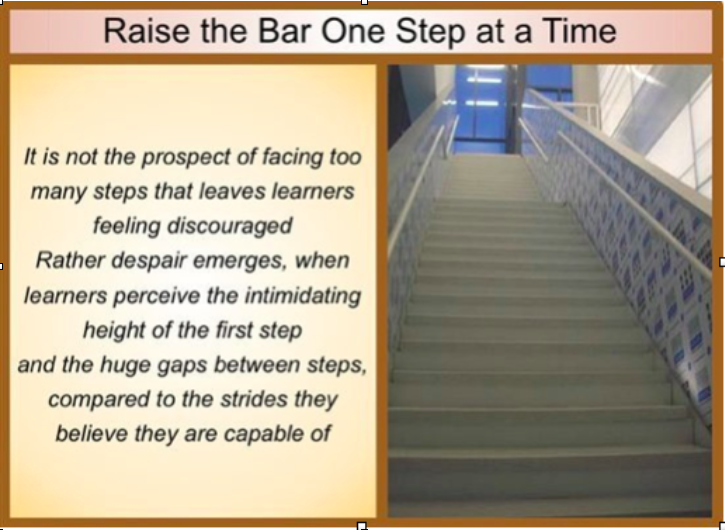
Use the one step ahead model.
Kept the momentum up
A good teacher keeps the momentum up. Students feel challenged and yet competent.
This teacher literally struck the right notes with this one. He paced his
session extremely well.
Competence leads to intrinsic motivation.
I know Shivansh looks forward to his sessions with this teacher.
Let your student feel sufficiently challenged.
The interaction you saw in the video looked easy, didn’t it?
Before the child knew, he had learned a lot.
And yet, a good teacher makes it look effortless- to an extent you are left wondering, “how did s/he do it?”
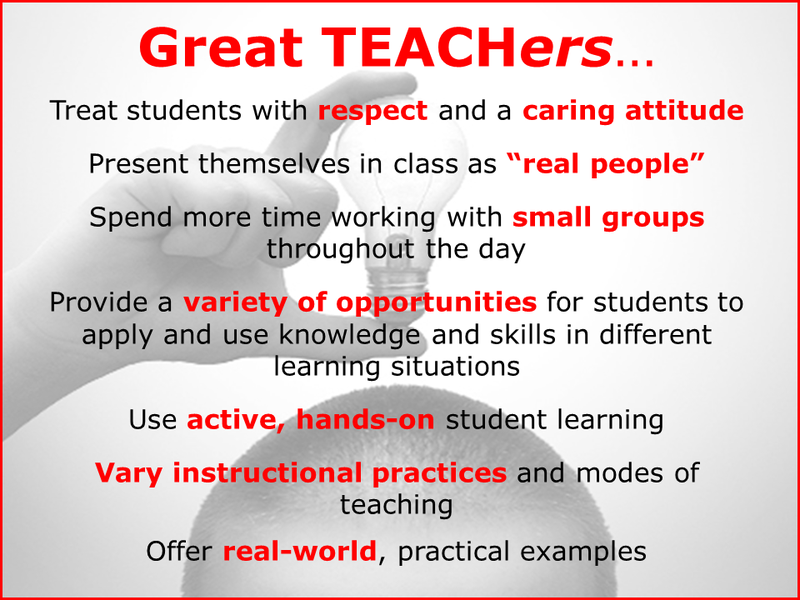
But a good teacher keeps the following points in mind and we should do it too.
1. Integrate old knowledge with new
2. Know your student’s strengths (and weaknesses)
3. Don’t give too many instructions
4. Know how to bring your student back on track
5. Give clear signals
6. Keep the challenge up
7. Keep the momentum going
One more thing that must be at the center of it all- Teach in a way your student learns.
Feel free to reach out for teaching related questions or if you need any support.