Success stories
How You Can Be An Unforgettable Teacher For Each Of Your Students
-
 |
-
 4 Min read
Share


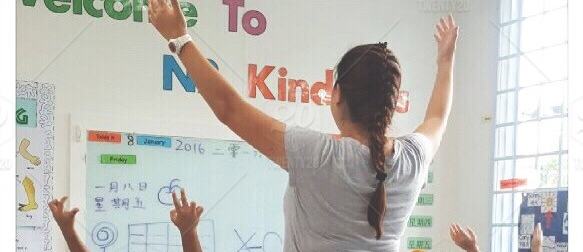
Last week I conducted a presentation entitled, ‘Dealing With Learning Difficulties And Autism In A Classroom,’ to a group of enthusiastic teachers at Harmony Montessori.
Teaching is a noble profession.
Teachers inspire me.
The responsibility resting on their shoulders is immense.
They have the biggest hand in shaping the youth of the country.
The young, dynamic teachers at the presentation, asked a few questions.
You might be interested in their questions too.
How would you recognize if a child has autism at a young age of 1.5 years?
This is a frequently asked question.
While we don’t want to be in a hurry to dish out a diagnosis, we must be aware of ‘red flags.’
I used the video below to elucidate those red flags.
The video, entitled ‘The early signs of autism,’ makes it far easier to zero in on red flags, doesn’t it?
It highlights the following-
a) effective communication and sharing enjoyment
b) making social connections
c) seeing social opportunity through play
Once you become aware of the red flags, do draw the parents’ attention to them as well.
It’s important to do this gently and lovingly and encourage the parents to seek further help.
Another teacher had a question about the above video segment timed 3.00- 4.20 mins.
Since we teach in a Montessori fashion, we give time to children to explore. We see children like the little boy all the time.
What if the child is just exploring and is not autistic?
That was a brilliant question and good observation by the teacher.
The key point is ‘pervasiveness.’
Ask other teachers if they’ve picked up something too.
Was it a single incident in which the child was super engaged in something and did not respond to you? Or are other teachers seeing it too?
Also, a give away is sharing enjoyment and including others in the play activity.
Does the child frequently like to play alone and not include others?
Watch carefully for this.
Is it all right to take a child out of the classroom if s/he is having a difficult time?
If a child is disturbed and is disturbing others, it might be a good idea to take them out of the classroom.
Not as a punishment, but because you want to give them a chance to regulate themselves.
Keep in mind how sensitive a child on the spectrum could be.
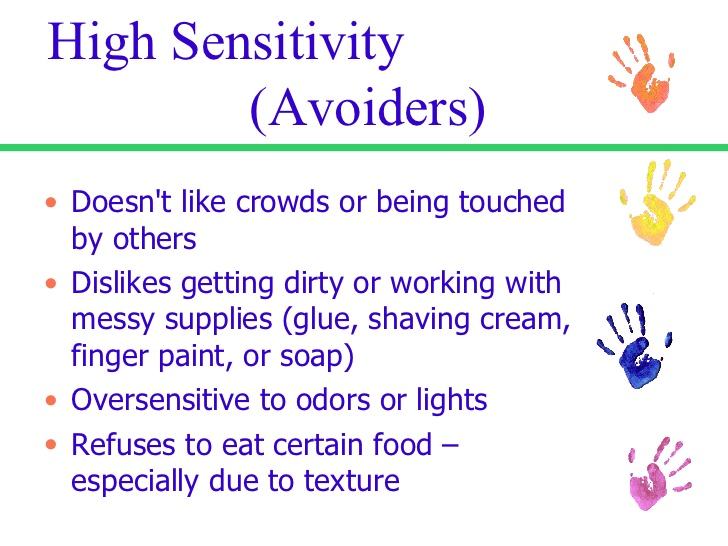
Observation is the key.
I had a student in a regular classroom who would end up hurting other children, when she was stressed, despite having a shadow teacher.
The teacher had to take the girl out after she had become aggressive.
On discussion with the mother and shadow teacher, we realized there was a pattern.
a) The child would start with twirling her hair.
b) Then she would get possessive about her books.
c) Followed by her speech getting repetitive.
d) Finally, she would lash out at another child.
We decided to intervene at step 1, when we noticed her twirling her hair.
The shadow teacher would step in to take her out for a walk or toss a ball back and forth in the passage. This enabled the child to calm down and when she was calmer, they entered the class again.
Note: Every child needs a customized plan as each one is unique and every school is differently set up.
Dear Teacher,
You signed up for teaching ‘normal’ students.
But there is no such thing. Each child is unique and beautiful in his or her own way.
Thank you for choosing this noble profession.
We need you. You’re wanted. You’re cherished.
And you’re not alone.
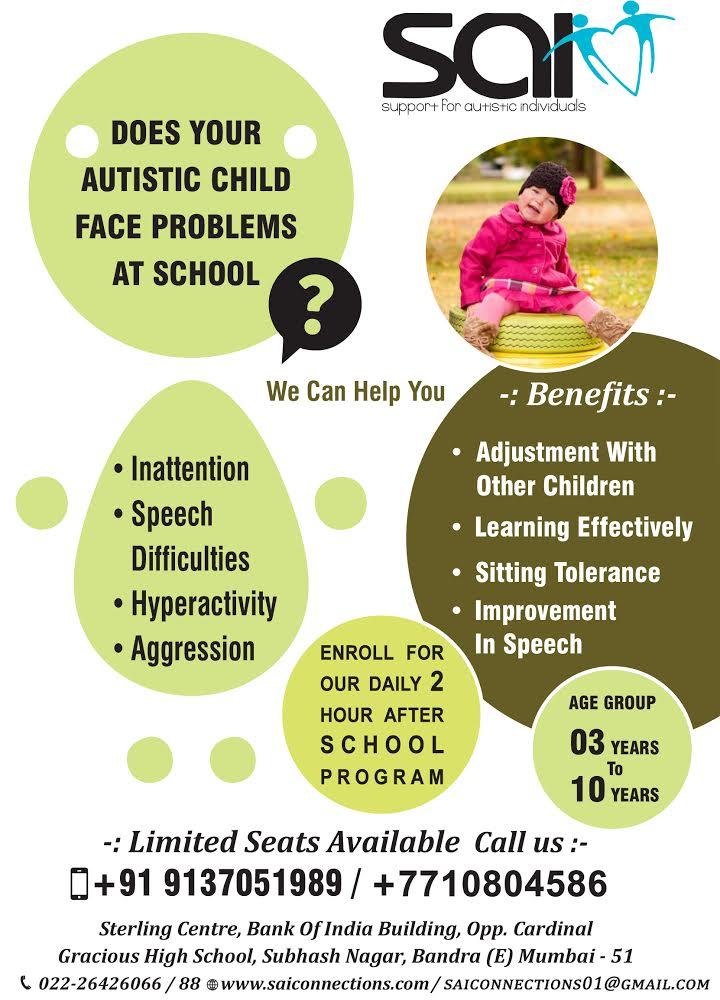
At SAI Connections, we’ve started an after school 2 hour training for young students with learning difficulties. (Upto age 10)
Our aim is to support students and teachers.
To this end we work closely with teachers to understand their difficulties.
Once we understand their difficulties, we work closely with the student to remediate these issues.
What do we hope to achieve?
We want the young ones to do well at regular school and we want teachers to not feel stressed and teach efficiently.
All kids need is a little help, a little hope and somebody who believes in them.
– Magic Johnson
We, at SAI Connections believe in you. We’re here to support you.